
The FDA has shifted from talking about acceleration to re-engineering how and when it intervenes in the review process for high-priority therapies. With the agency issuing its first approval under the Commissioner’s National Priority Voucher (CNPV) pilot program in roughly two months—and proactively awarding a national priority voucher for a relapsed/refractory multiple myeloma combination based solely on compelling Phase 3 data—the bar for organizational readiness has been fundamentally reset.
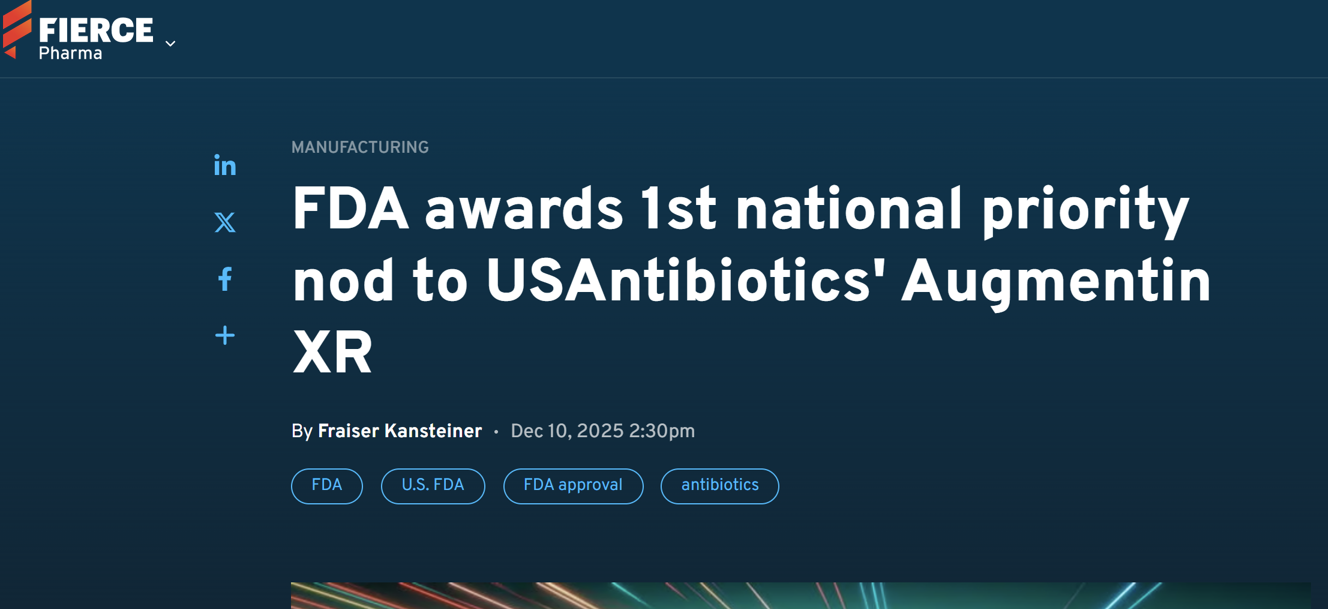
The significance of these moves goes beyond faster timelines. They signal a philosophical shift in how the FDA views its role in advancing therapies aligned with national health priorities. Rather than serving solely as a downstream gatekeeper, the agency is taking a more active role in identifying therapies that meet specific national health objectives and prioritizing them for accelerated review. In some cases, FDA leadership is now monitoring emerging clinical data in real time and engaging sponsors proactively—an unprecedented posture that compresses not just review cycles, but entire launch arcs.
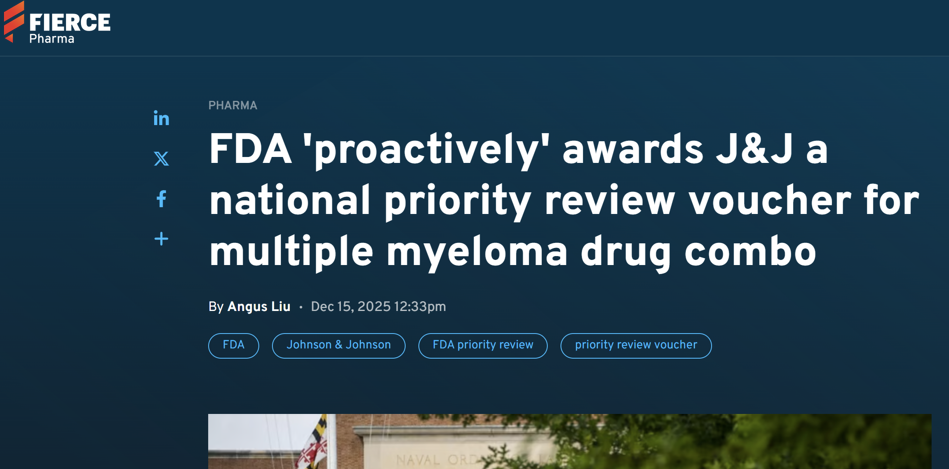
For life sciences companies, this creates both opportunity and pressure. Regulatory acceleration collapses the traditional buffer between late-stage data readout and commercial execution. The historical luxury of extended pre-launch runways—where sales narratives, training content, field deployment models, and market education could be refined over many months—is rapidly eroding. In its place is a reality where approval can arrive weeks, not quarters, after pivotal data become public.
Commercial success in today’s environment will not hinge on speed alone, but on fundamentally reimagined training and enablement models. Static, linear approaches—built around long, predictable timelines and siloed functions—cannot keep pace with compressed regulatory cycles and accelerated market dynamics. As approval windows shrink, traditional launch playbooks are increasingly obsolete. Future-ready launches demand dynamic, integrated training ecosystems engineered for speed, agility, and continuous evolution. These platforms must empower commercial, medical, and access teams to rapidly internalize emerging evidence and engage with consistency and compliance—while the broader organization drives the refinement of scientific narratives, value strategies, and reimbursement frameworks at scale.
Training that evolves as fast as the science is not just an advantage—it is the cornerstone of launch success.